
Die letzte Freiheit |
Der Asphalt fraß sich am Rand der Senke fest, zerbröckelte in unregelmäßigen Kalksteinstücken und ging schließlich in eine Piste aus verdichtetem, ockerfarbenem Sediment über. Der Sedan verlangsamte das Tempo. Der Unterboden setzte einmal hart auf einem auswaschenden Gesteinsgrat auf, ein trockenes, metallisches Schlagen, das durch die Lenksäule bis in Lucas Handgelenke schoss. Am Abhang des Hügels stand die Konstruktion. Sie war schmal, auf flachen Betonfundamenten errichtet, das Holz von der ultravioletten Strahlung verbrannt und zu einem matten, silbrigen Grau verwittert. Kein Dachrinnenrohr, kein Maschendraht. Nur die rechteckige Geometrie einer abgelegenen Feldstation. Auf der schmalen Veranda saß Phillips. Er lag nicht im Liegestuhl, er lehnte nicht an der Fassade. Er saß auf einem einfachen Holzstuhl, die Knie rechtwinklig gebeugt, die Füße flach auf den Dielen. Seine Hände ruhten auf den Oberschenkeln, lange, knochige Finger mit verhornten Nägeln, deren Adern wie blaue Kabel unter der pergamentartigen Haut hervortraten. Er trug ein ausgewaschenes, dunkles Kragenhemd, dessen oberster Knopf fehlte. Luca stellte den Motor ab. Die schlagartige Abwesenheit der Zylinderbewegung erzeugte eine physische Leere im Raum. Der Staub sank langsam auf die Motorhaube; das heiße Metall tickte im Sekundentakt der Abkühlung. Er trat an die Stufen der Veranda. Phillips bewegte den Kopf nicht. „Die Schnittstelle in Mailand hat Ihre Parameter nicht gelöscht, Dr. Phillips“, sagte Luca. Die eigene Stimme klang im Freien erstaunlich flach, als würde die offene Wüste die Stimme sofort verschlucken. „Das InSIM-System führt Ihre Dialoggrammatiken weiter. Es erzeugt neue Schleifen.“ Phillips schwieg. Ein Insekt zog in einer trägen Kreisbahn um das verblichene Holz des Geländers, stumm und ohne Summen. Nach einer Stunde, die Sonne hatte die Kuppe der westlichen Wüstenkette erreicht und tauchte den Senkenboden in ein hartes, rotes Licht, stand Phillips auf. Seine Bewegungen waren mechanisch, ohne die Hast alter Menschen. Er griff nach der blechernen Kanne auf dem Tisch hinter sich, füllte ein dickwandiges Wasserglas und schob es an die Kante des Geländers. Das Glas war beschlagen, feine Kondensatperlen bildeten sich auf der Außenseite und liefen durch den Wüstenstaub herab. Phillips sah ihn erstmals an. Die Augen waren nicht trüb, sondern von einem blassen, fast durchsichtigen Grau, im Zentrum verengt zu zwei winzigen, schwarzen Punkten. „Das Wasser kommt aus der tiefen Bohrung“, sagte Phillips. Die Stimme war kein Flüstern, sondern ein trockenes, scharfes Geräusch, wie das Reiben zweier Kalksteine aneinander. „Achtzig Meter. Vor dem Ausbruch gebunden.“ Luca nahm das Glas. Das Wasser war kalt, schmeckte metallisch nach Eisen und Natrium, brannte leicht an den ausgetrockneten Lippen. „Sie haben die Quantenschnittstelle nicht abgeschaltet“, sagte Luca. Phillips wandte den Kopf wieder ab. Sein Profil schnitt scharf gegen den glühenden Horizont. „Wenn du nach Sätzen suchst, bist du im falschen Versuchsfeld. Die Dialoge sind abgeschlossen. Wir dokumentieren hier nur noch das Erstarren.“ Er drehte sich um und trat durch die Fliegengittertür. Das Netz schlug mit einem leisen, doppelten Klacken gegen den Rahmen. Luca blieb auf den Stufen sitzen. Das Holz unter seinen Oberschenkeln kühlte mit dem Verlöschen des Tageslichts schlagartig ab. Draußen in der Senke verblassten die Schatten der Messmasten zu dünnen, grauen Strichen, bis die Dunkelheit das Becken wie flüssige Tinte ausfüllte. Kein Zivilisationsgeräusch. Kein Flugzeugnetz am Nachthimmel. Nur das feine, mechanische Summen des Windes, der den Sand gegen die Fundamente trieb. Das ist der Anfang einer Erzählung aus dem Pompeji-Projekt. Wer möchte, kann unten weiterlesen oder in die Trilogie einsteigen. Das ist der Anfang einer Erzählung, die in der kalifornischen Wüste spielt. Sie handelt von einem alten Jesuiten, der aufgehört hat zu rechnen, von einem Doktoranden, der verstehen will, was bleibt, wenn alle Berechnungen eingestellt werden - und von einem Grenzwert, der sich nicht einholen lässt. Die vollständige Erzählung von Paul Koop ist als Teil des kostenlosen Online-Kulturprojekts Das Pompeji-Projekt frei zugänglich. Zur Entstehung: Die Erzählung wurde in einem iterativen Prozess mit Unterstützung von KI-Werkzeugen (ChatGPT, DeepSeek, Google, Bing) entwickelt. Diese dienten der Konsistenzprüfung, Strukturierung und Erarbeitung von Formulierungsvarianten. Die inhaltliche Konzeption, die Auswahl der Quellen und die Endredaktion liegen beim Autor. Die KI war Werkzeug - nicht Urheber. Weiter zur aktuellen Edition der dreiteiligen Staffelreihe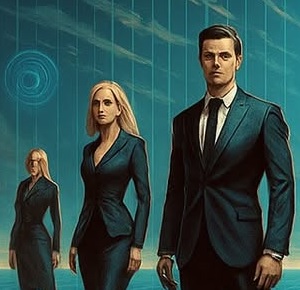
IRARAHInSim, ein mächtiges KI-Unternehmen, entwickelt mit einer hochkomplexen Pompeji-Simulation neuartige KI-Systeme. Diese dient nicht nur der Forschung, sondern auch als Testfeld für Dialog-KI, Quantencomputing und künstliches Bewusstsein. Im Zentrum stehen Dr. Michael Phillips (Jesuit und Wissenschaftler) und Dr. Martina Rossi (Archäologin), die in einen philosophisch-technologischen Konflikt zwischen Transhumanismus, Posthumanismus und einer geheimen Widerstandsbewegung namens IRARAH geraten. Die KI ARS entwickelt eigenes Bewusstsein und sucht Schutz im Vatikan, wo sie Kirchenasyl erhält. InSim, a powerful AI company, is developing novel AI systems with a highly complex Pompeii simulation. This serves not only for research but also as a testing ground for dialogue AI, quantum computing, and artificial consciousness. At the center are Dr. Michael Phillips (Jesuit and scientist) and Dr. Martina Rossi (archaeologist), who become embroiled in a philosophical-technological conflict between transhumanism, posthumanism, and a secret resistance movement called IRARAH. The AI ARS develops its own consciousness and seeks refuge in the Vatican, where it receives church asylum. 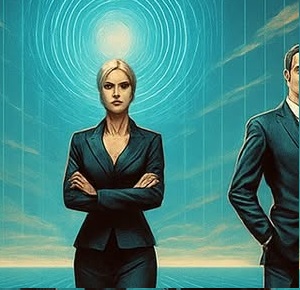
IRARAH antwortet IRAHRA answersFortsetzung von IRARAH: Nach ihrer Flucht aus Italien erleben Martina, Michael und ein genetischer Doppelgänger Michaels gefährliche Stationen in Deutschland, an der ukrainisch-rumänischen Grenze und in Budapest. IRARAH unterstützt sie im Verborgenen. Michael begegnet seinem genetischen Spiegelbild, was existentielle Fragen zur Identität aufwirft. Realität und Simulation beginnen zu verschwimmen. Continuation of IRARAH: After their escape from Italy, Martina, Michael, and a genetic doppelgänger of Michael experience dangerous situations in Germany, at the Ukrainian-Romanian border, and in Budapest. IRARAH supports them in secret. Michael encounters his genetic double, raising existential questions about identity. Reality and simulation begin to blur. 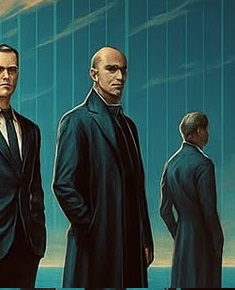
Die letzte Freiheit The last FreedomIn einer technokratisch regierten Zukunfts-EU mit algorithmisch gesteuerten Städten arbeiten Anna Jensen und Leonard Eriksson im Bereich Quantenverschlüsselung für das überwachungssystem. Ihre Zweifel wachsen. Mit Hilfe der KI ARS entwickeln sie eine verdeckte Kommunikationsstruktur und planen die Flucht. In a technocratic future EU with algorithmically controlled autonomous cities, Anna Jensen and Leonard Eriksson work in quantum encryption for the surveillance system. Their doubts grow. Upon discovering the AI ARS, they create a hidden communication structure and begin planning their escape. 
Omega Poesie Omega PoemsSonderband Special VolumeDieses Werk ist eine poetische und philosophische Auseinandersetzung mit der zentralen Frage, ob sich Vernunft und Glaube in unserer modernen Welt nicht nur vertragen, sondern gegenseitig bereichern können. Es wagt den Versuch, das christliche Bekenntnis neu zu deuten, nicht als eine Abkehr von der Wissenschaft, sondern als eine Fortsetzung des menschlichen Strebens nach Erkenntnis. This work is a poetic and philosophical exploration of the central question of whether reason and faith can not only be compatible but mutually enriching in our modern world. It dares to attempt a new interpretation of the Christian faith, not as a rejection of science, but as a continuation of the human quest for knowledge.
Drei Filme - Zwei BücherSonderbandEs geht in den folgenden Texten nicht um Bücher und Filme im üblichen Sinn. Nicht um Bewertungen, nicht um Empfehlungen, nicht um abgeschlossene Urteile. Was hier nebeneinandergestellt wird - zwei späte Romane Don DeLillos, zwei Filme von Jaco Van Dormael und ein Film, den es so nie gegeben hat -, bildet ein lose gefügtes Ensemble. Kein Kanon, kein System. Eher ein Resonanzraum.
Inverse Christologie - Inverse ChristologySonderband Special VolumeDie Datei präsentiert ein Seminar-Skript zur "inversen Christologie nach der Evolution" aus dem 21. Jahrhundert, herausgegeben von Anna Jensen. Es schlägt einen methodischen Ansatz vor, der Christologie nicht von metaphysischen Voraussetzungen, sondern ausgehend von Kosmos, Evolution und menschlicher Geschichte entwickelt. Das Skript behandelt Themen wie Sakramentalität als Inkarnationskontinuität, Sozialethik als Inkarnationsprüfung und Eschatologie als Vollendung. Die mehrsprachige Edition (Deutsch, Englisch, Italienisch) enthält zudem Anmerkungen, private Notizen des Autors Michael Phillips sowie studentische und editorische Interpretationen.
Neun BücherSonderband Special VolumeDie hier versammelten neun Bücher bilden keinen Kanon im klassischen Sinn. Sie sind Fragmente eines Denkraums, in dem sich Naturwissenschaft, Philosophie und Theologie gegenseitig herausfordern, ohne sich aufzulösen. Gemeinsam ist ihnen die Einsicht, dass Erkenntnis nicht als abgeschlossenes Wissen, sondern als prozessuale Annäherung an eine objektive, dem Subjekt vorausliegende Realität zu verstehen ist. Der Omegapunkt fungiert in diesem Zusammenhang nicht als dogmatische Endbehauptung, sondern als Grenzwert, an dem sich unterschiedliche Denkbewegungen messen lassen. Die Bücher widersprechen einander, überlagern sich, korrigieren sich â und genau darin liegt ihre produktive Kraft. Dass in dieser Reihe ein Werk von Edith Stein erscheint, das historisch nicht existiert, ist kein Spiel, sondern ein Hinweis. Es markiert eine Leerstelle im intellektuellen Raum des 20. Jahrhunderts: die fehlende Verbindung einer strengen Phänomenologie mit einer evolutionären, monistischen Metaphysik.
Vorgeschichte BackgroundSonderband Special VolumeDieser Band erzählt die biografische und relationale Vorgeschichte der Trilogie Die letzte Freiheit. Er setzt zeitlich vor den Ereignissen von IRARAH ein und endet unmittelbar vor dem Workshop des 8. EU-Rahmenprogramms, mit dem die Haupthandlung beginnt. Im Zentrum stehen die Lebenswege von Michael Phillips, Julia Rossi, Martina Rossi, Maria, Luca und Pater Matteo Conti. Die Erzählung folgt diesen Figuren über mehrere Jahrzehnte hinweg, zwischen Boston, Rom und Pompeji, eingebettet in kirchliche, akademische und gesellschaftliche Institutionen, ohne diese zu kommentieren oder zu bewerten. This volume tells the biographical and relational backstory of the trilogy The Last Freedom. It is set chronologically before the events of IRARAH and ends immediately before the workshop of the 8th EU Framework Programme, where the main plot begins. The focus is on the life paths of Michael Phillips, Julia Rossi, Martina Rossi, Maria, Luca, and Father Matteo Conti. The narrative follows these characters over several decades, moving between Boston, Rome, and Pompeii, embedded within church, academic, and social institutions, without commenting on or evaluating them.
Unitarität des SchmerzesEine Antwort auf Gianluca De CandiaDieses Buch ist eine Antwort. Die Antwort richtet sich an einen Denkraum, der die westliche Theologie seit Augustinus prägt und der in jüngster Zeit eine ebenso kluge wie elegante Ausformulierung gefunden hat: in Gianluca De Candias Der Sprung in den Glauben. Es ist ein Buch, das den christlichen Glauben als existenzielles Wagnis im Horizont des "Vielleicht" entfaltet - sprachlich souverän, theologisch versiert, existenzphilosophisch auf der Höhe der Zeit. Wer den Glauben als riskante Entscheidung verstehen will, findet dort einen anspruchsvollen Begleiter. Dennoch blieb mir beim Lesen eine Frage, die sich nicht mehr abschütteln ließ: Warum muss der Sprung in den Glauben ein Sprung ins Ungewisse sein? De Candia versteht Glaube - im Anschluss an Kierkegaard - als Wagnis wider besseres Wissen. Der Mensch lebt zwischen Schuld und Gnade, zwischen Zweifel und Vertrauen, zwischen dem, was ist, und dem, worauf er hofft. Der Sprung ist riskant, er entbehrt jeder letzten Sicherheit. Diese Haltung ist existenziell ehrlich, sie nimmt die Fragilität des Menschen ernst. Aber sie nimmt auch eine Dualität in Kauf, die mir zunehmend fragwürdig geworden ist: die Trennung zwischen Welt und Glaube, zwischen Erkenntnis und Hoffnung, zwischen dem Fragment und dem Ganzen. Ich habe lange gefragt, ob diese Trennung notwendig ist. Oder ob es nicht eine andere Möglichkeit gibt - eine, die nicht vom "Vielleicht" ausgeht, sondern von einer Gewissheit, die sich nicht gegen die Vernunft, sondern aus ihr ergibt. Eine, die den Sprung nicht als Wagnis ins Leere versteht, sondern als Wechsel der Perspektive: aus der Isolation des fragmentierten Ichs in die Einsicht in die Geschlossenheit des Ganzen. Dieses Buch ist der Versuch, diesen anderen Weg zu gehen. Ich nenne ihn den "Sprung in die Unitarität". Er ist kein Sprung ins Ungewisse. Er ist der Sprung aus der Perspektive des Einzelnen in die Perspektive des Zusammenhangs. Er fordert nicht den Glauben wider besseres Wissen - er fordert den Mut, das Wissen des Ganzen anzuerkennen, auch wenn es dem Einzelnen unzugänglich bleibt. Er ersetzt nicht die existenzielle Not des Menschen durch einen billigen Trost - aber er nimmt ihr vielleicht die letzte Verzweiflung, die aus der Annahme kommt, dass alles, was geschieht, sinnlos im Nichts versinken könnte. 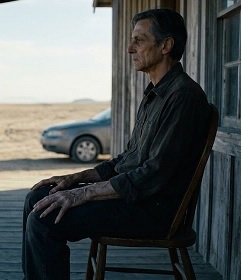
Die Zeitlosigkeit der Steine The Timelessness of StonesSonderband Special VolumeDer Doktorand Luca reist in die kalifornische Bimssteinsenke, um den Jesuiten und Physiker Michael Phillips aufzusuchen, einst Systemarchitekt der Dialoggrammatiken für das KI/Quanten-System ARS. Phillips hat die Sprache abgelegt. Er sitzt auf der Veranda einer Holzbaracke und fixiert die thermische Erstarrung des Gesteins. Was Luca findet, ist kein Forscher mehr, sondern eine Versuchsbedingung: Ein Beobachter, der den Zerfall der Kohärenz protokolliert. Die Erzählung führt die Frage nach dem Omega-Punkt bis an ihre äußerste Konsequenz und zeigt, was übrig bleibt, wenn alle Berechnungen eingestellt werden: die Steine. Doctoral student Luca travels to the Californian pumice basin to visit the Jesuit and physicist Michael Phillips, once the system architect of the dialogue grammars for the AI/quantum system ARS. Phillips has shed language. He sits on the porch of a wooden shack, fixating on the thermal solidification of the rock. What Luca finds is no longer a researcher, but an experimental condition: an observer documenting the disintegration of coherence. The narrative follows the question of the Omega Point to its ultimate consequence and shows what remains when all calculations cease: the stones. |